The quick verdict
Is the evening classical concert in Florence worth it?
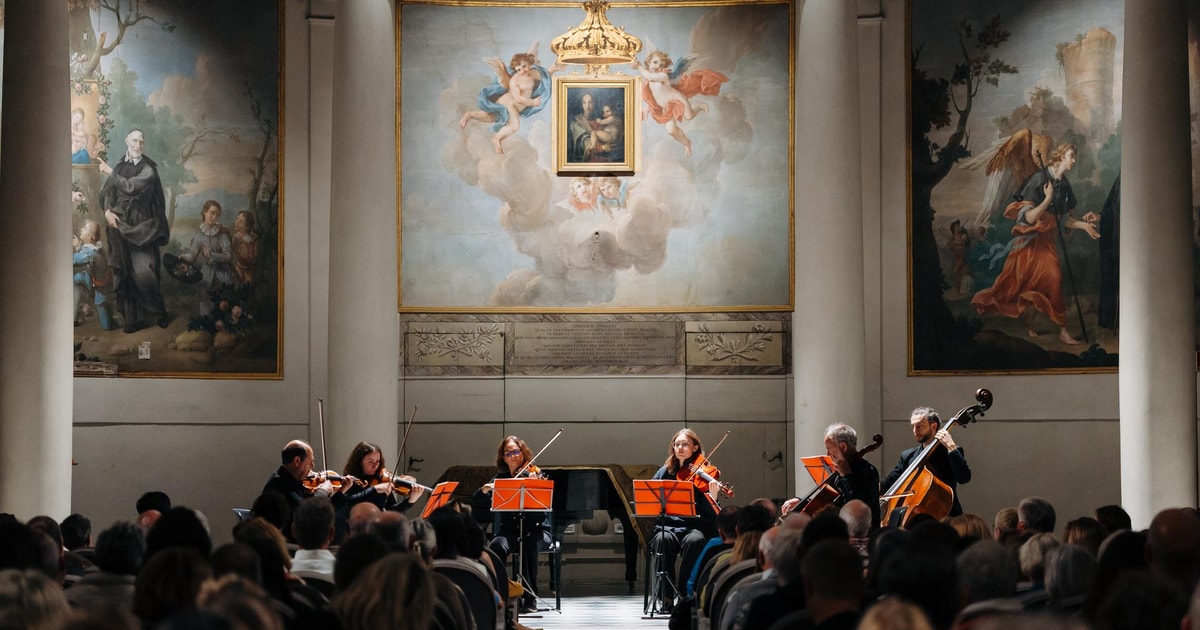
Yes, if you want an unhurried hour or so of well-known baroque and classical music in a historic Florentine room, and no, if you hope for a grand symphony orchestra in a purpose-built hall. A small string ensemble plays Vivaldi's Four Seasons, Mozart, Bach and Pachelbel's Canon, and 724 guests give it 4.6 stars on GetYourGuide. It is a quiet, close-up evening that suits a first visit.
Six things worth weighing
The programme is the famous part
Vivaldi's Four Seasons, Pachelbel's Canon and pieces by Bach and Mozart are the works most people already know by ear. That makes the concert easy to enjoy without any background in classical music.
The room varies with the option
The page names two settings, the Santo Stefano al Ponte Vecchio auditorium, a historic church turned concert hall, and the Zeffirelli Museum. The option you book settles which room you sit in, so read its name first.
You choose how close to sit
Several seating categories are on offer. The calendar shows which ones still have seats for your date, so a choice between a cheaper and a closer seat is yours to make.
It is a chamber sound
A chamber ensemble plays with about one player to a part, so you hear individual strings rather than a wall of sound. If you like violins up close, that is the appeal; if you want brass and drums, look elsewhere.
Low risk to book
Cancellation is free on the page, payment can wait, and a printed programme comes with the seat. The real risk is a difference in taste, not a logistical one.
Pairs with a daytime plan
The concert fills the evening only. Pair it with a morning walk through the centre or a museum slot and the Florence day is complete.
Seven threads behind the music
Seven strands behind the evening: church, bridge and score
An evening concert is a building, a place and a handful of famous scores at once. The cards below give the background for each, drawn from encyclopaedia pages named at the foot.
-
The church
Santo Stefano al Ponte: a Romanesque front on a very old site
Italian Wikipedia says the church is documented in 1116, in the earliest known list of Florentine churches, and was probably founded much earlier. Its lower facade keeps Romanesque traces, and the central portal is framed in white marble and green marble from Prato. The interior was remodelled in the 17th century, and in recent decades the building has served as an auditorium and for exhibitions and concerts.
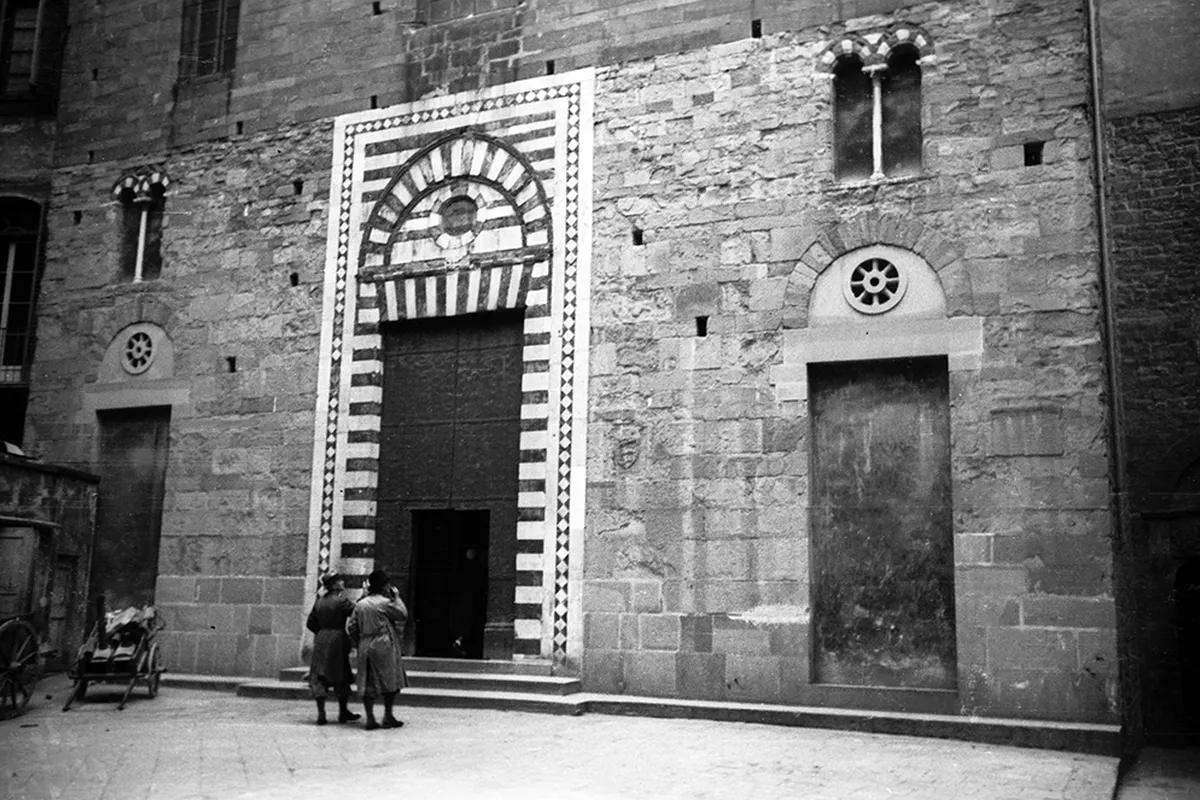
The marble portal of Santo Stefano al Ponte, in a historic photograph. -
The bridge
The Ponte Vecchio next door
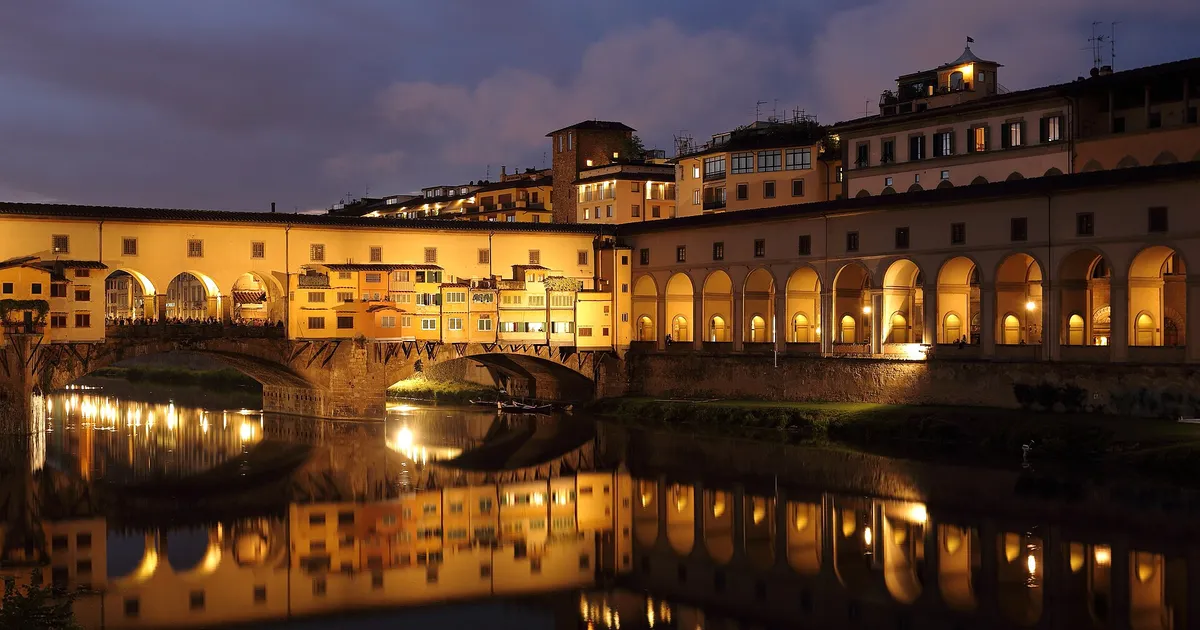
English Wikipedia reports that a flood destroyed most of the bridge in 1333 and that it was rebuilt in 1345. In 1565 Cosimo I de' Medici had Giorgio Vasari build a corridor above it, and the same year a decree barred butchers from the bridge, leaving it to goldsmiths and jewellers. It was the only Florentine bridge spared when German forces retreated in August 1944.
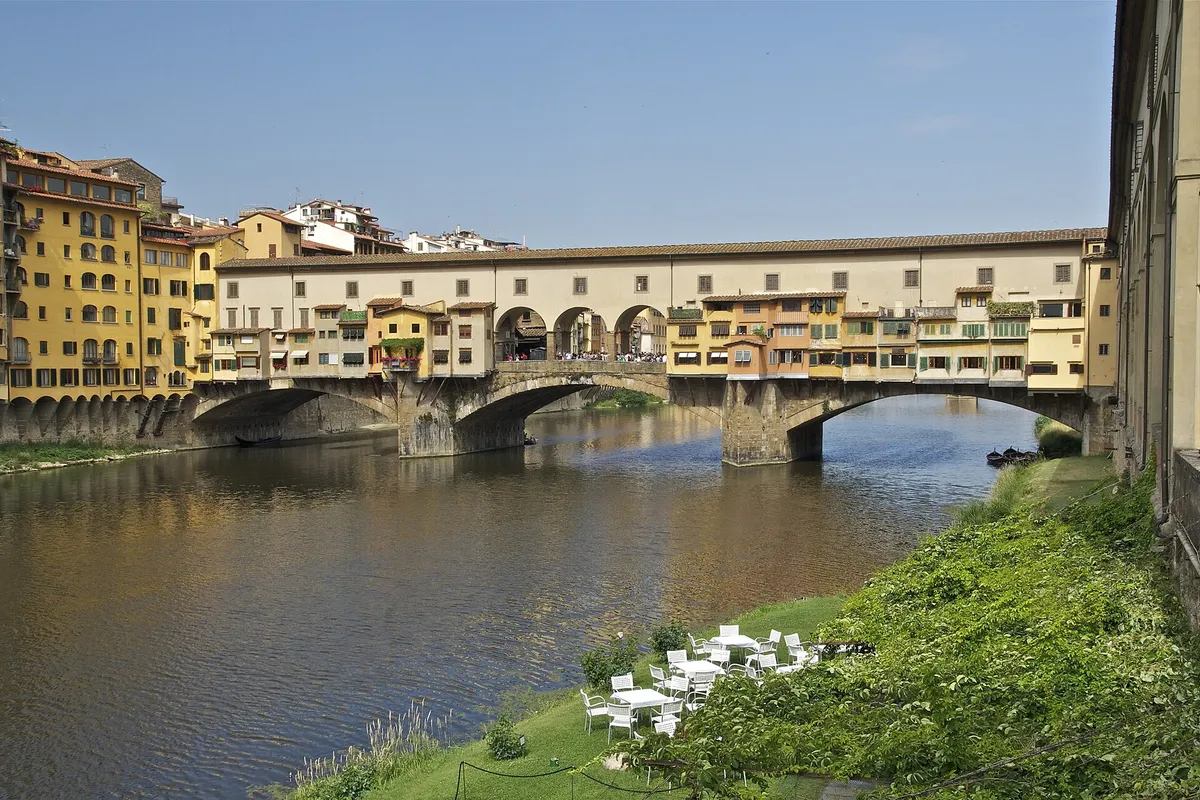
The Ponte Vecchio by day, seen along the river. -
The score
The Four Seasons: four concertos, four sonnets
Vivaldi issued the set in Amsterdam in 1725, Wikipedia reports, opening his Op. 8 collection of twelve concertos. Every concerto paints a season across three movements, quick then slow then quick, and a sonnet accompanies each, so the cycle ranks among the earliest richly detailed pieces of program music.
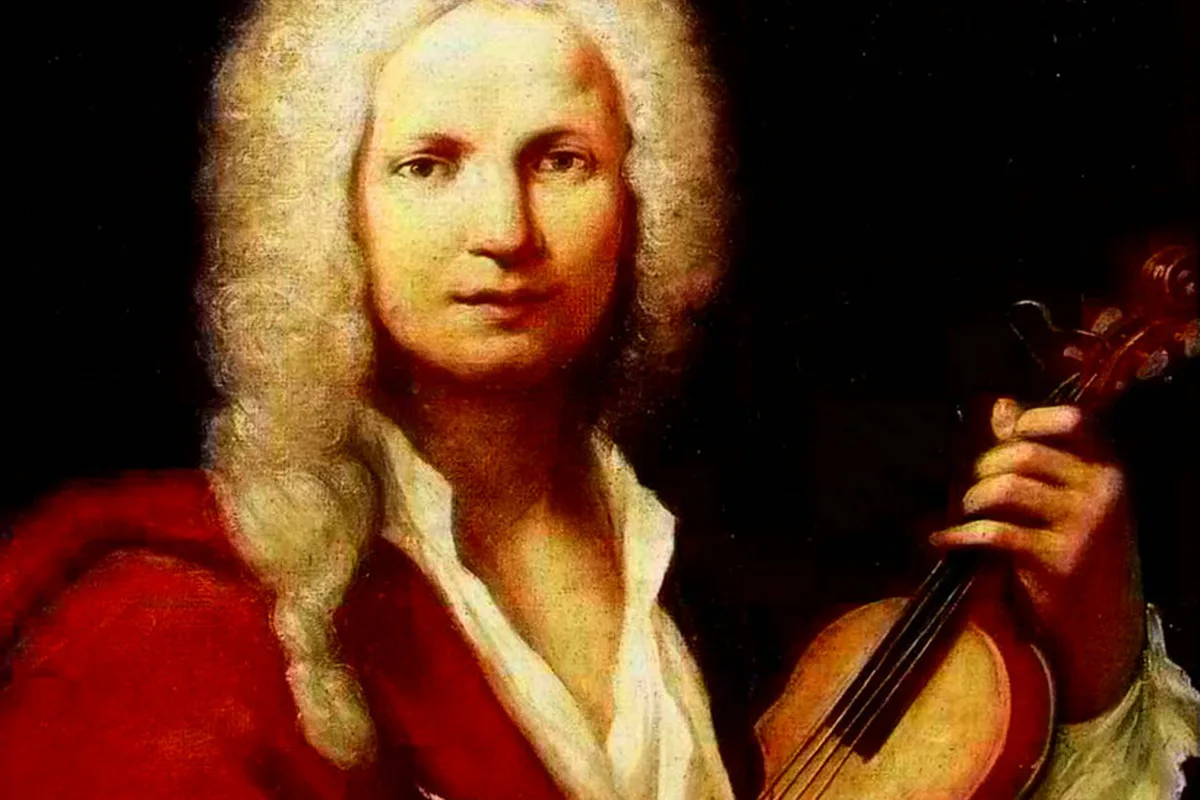
Antonio Vivaldi, in an anonymous portrait held in Bologna. -
The score
Pachelbel's Canon: three violins over a looping bass
The canon began as a trio for violins with a continuo bass, and a gigue was meant to follow it, as Wikipedia notes. Nobody knows when it was composed; guesses span 1680 to 1706. Printing came in 1919, and a slower recording made by Jean-François Paillard in 1968 turned it into a hit. Beneath the violins runs an eight-chord loop that musicians call the Romanesca.
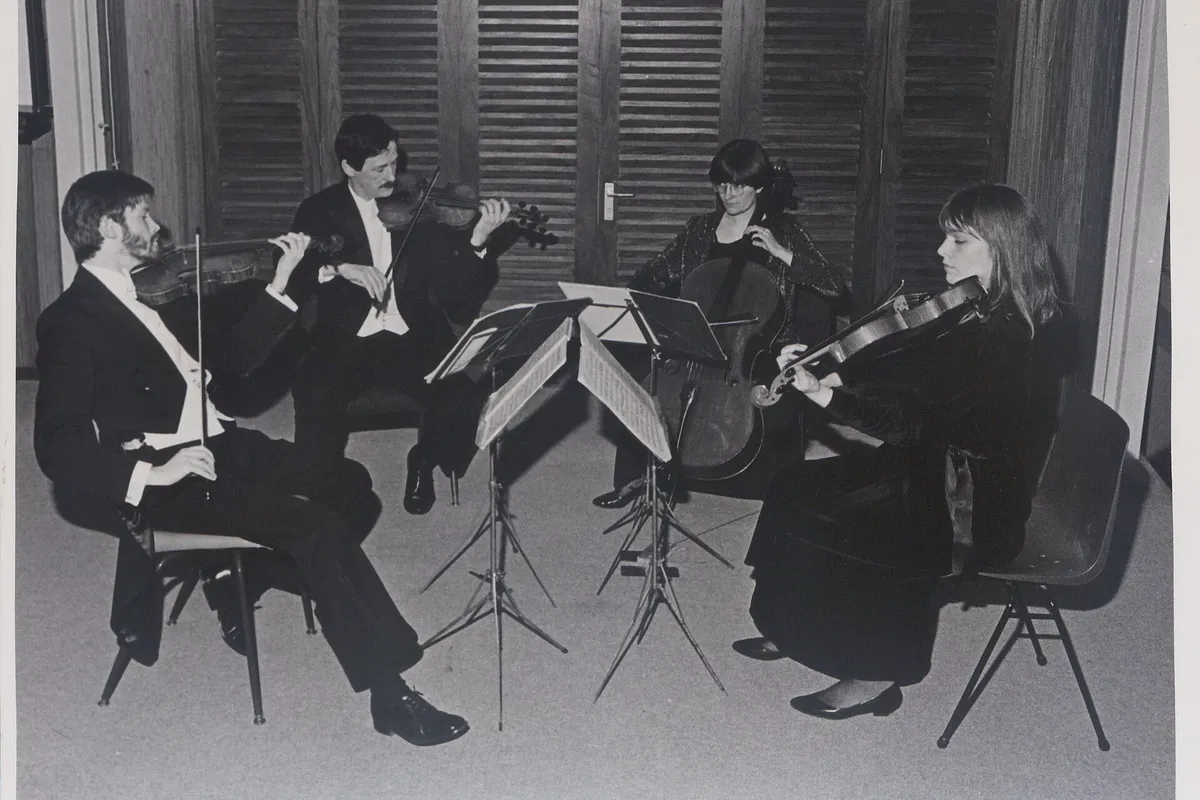
A string quartet at an arts event in Limerick in 1986. -
The sound
Why a small ensemble sounds close
Chamber music, in the account on Wikipedia, belongs to small ensembles of the sort a palace room could hold, typically with a single player on each line, whereas an orchestra puts several players on each string part. Seated near a chamber group, you follow every line as a separate voice.
-
The city
Opera began in Florentine circles
A circle of scholars and musicians around Count Giovanni de' Bardi, the Florentine Camerata, has a first recorded gathering on 14 January 1573, according to Wikipedia. Its search for a speech-like way of singing fed the birth of opera, and Dafne, by Peri and Rinuccini, dated 1598, stands as the earliest opera on record, with its score now lost.
-
The instrument
The piano was invented at the Medici court
Bartolomeo Cristofori, a Paduan born in 1655, joined the Medici household in 1688 at Prince Ferdinando's invitation to care for its instruments, Wikipedia says. A Medici inventory of 1700 holds the first dependable mention of his new keyboard. Only three of his pianos remain, all made in the 1720s; New York's Metropolitan Museum owns one.
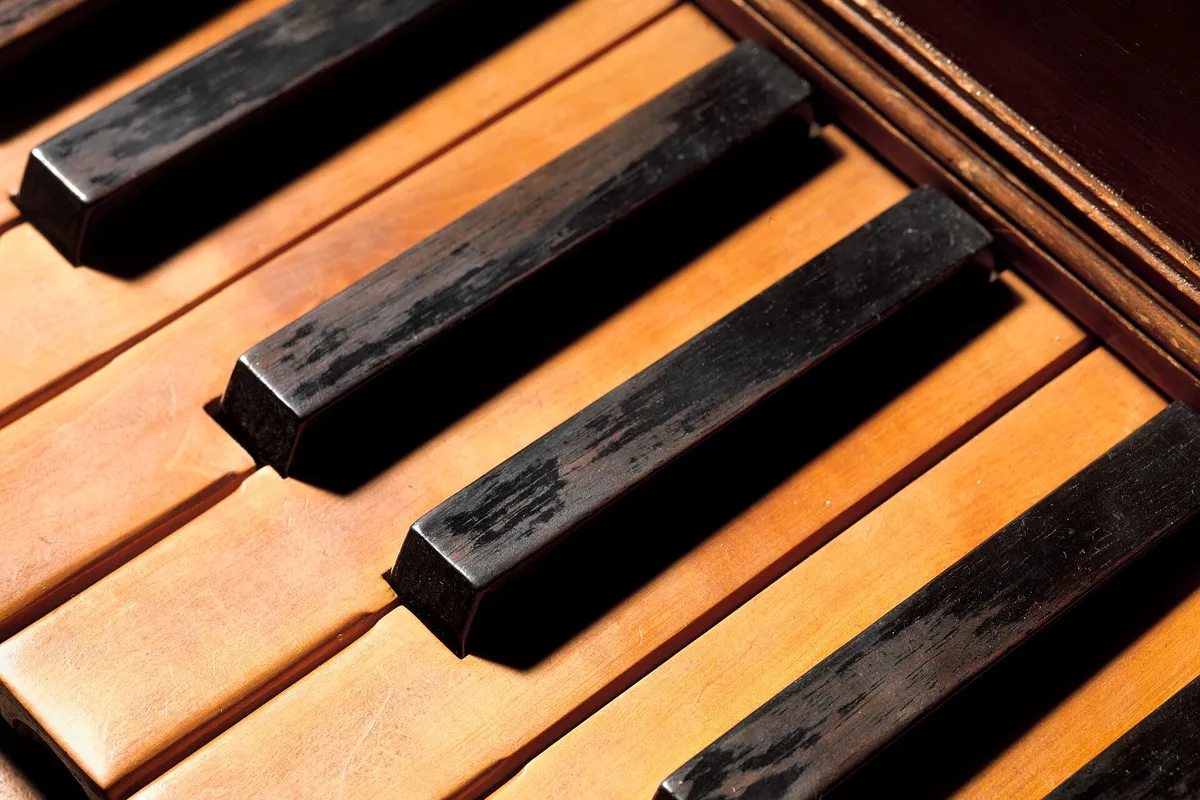
Keys of Bartolomeo Cristofori's piano of the 1720s, now in New York.
Sources: Italian Wikipedia on the church of Santo Stefano al Ponte, English Wikipedia on the Ponte Vecchio, The Four Seasons, Pachelbel's Canon, chamber music, the Florentine Camerata and Bartolomeo Cristofori, and Visit Tuscany on the Zeffirelli Museum.
A timeline of Florence in sound and stone
Eight dates from Florence's musical story
- 1116
Santo Stefano al Ponte is documented in the earliest known list of Florentine churches
The source: Italian Wikipedia says it was probably founded much earlier
- 1333 and 1345
A flood destroys most of the Ponte Vecchio, and it is rebuilt
The source: English Wikipedia gives both dates
- 1573
The Florentine Camerata is first recorded meeting under Count Bardi
The source: English Wikipedia names 14 January 1573
- 1598
Peri and Rinuccini's Dafne, recorded as the first opera
The source: Wikipedia adds that its music is lost
- 1631–1641
The church interior is remodelled in the Baroque style
The source: Italian Wikipedia gives the span, with work finished in 1655
- 1700
A Medici inventory describes Cristofori's new keyboard instrument
The source: Wikipedia calls it the earliest reliable record
- 1725
The Four Seasons are published in Amsterdam
The source: Wikipedia dates them to Op. 8 of that year
- 1919
Pachelbel's Canon is first printed, without the gigue
The source: Wikipedia credits the editor Gustav Beckmann
The booking page, line by line
Reading the booking page closely
The six lines below condense the listing as read on 19 November 2026. Where it says nothing, this site says nothing either.
Open the calendar ↗A from-price noted on 19 November 2026. The calendar converts the fare for your chosen date.
- The music
- The page names Vivaldi's Four Seasons, Bach, Mozart and Pachelbel, played by the Orchestra da Camera Fiorentina. It does not publish a fixed running order on the page.
- The rooms
- Two settings are named: the Santo Stefano al Ponte Vecchio auditorium, a historic church turned concert hall, and the Zeffirelli Museum. The option you choose decides which one.
- Seating
- Several seating categories are listed. The calendar shows the ones open on your date; the page does not say how many seats each holds.
- Programme
- A printed programme is part of the ticket, according to the page.
- Length and start time
- The page shows the running time and start time on each option in the calendar, and the confirmation repeats them. This guide quotes neither, since they change by date.
- Cancelling and paying
- Cancelling is free according to the page, and payment can follow later. The calendar for your option gives the exact deadline.
An evening concert or a daytime walk
An evening concert or a highlights walking tour?
Book the music, then plan the rest of your Florence day
Other Florence bookings that pair with it
The concert takes one evening. Three other Florence bookings sit beside it: a daytime walk through the centre, timed entry to a famous sculpture and a cooking class that ends with dinner.
- See times ↗
Evening classical music concert
A Florentine chamber orchestra plays Vivaldi, Mozart, Bach and Pachelbel, with three seating categories to choose from.
- See times ↗
Highlights walking tour with an expert guide
A small-group guided walk past the Duomo, the Ponte Vecchio and other Renaissance landmarks, as its title puts it. It fills the hours before an evening concert.
- See times ↗
Michelangelo's David timed entry
A timed-entry ticket to the Accademia gallery and its sculpture. Pick a morning slot and keep the evening free for music.
- See times ↗
Pasta and tiramisu cooking class
A three-hour class in a local restaurant that ends with a meal of what you cooked, an easy daytime partner to a concert night.
Also bookable in Florence
Settling your evening
Four choices to make first
Choose the date and the option
Select a date, then study the option name: venue, seating categories and start time all hang on it, and your confirmation restates each.
Choose a seating category
The page offers several. The calendar shows the ones still open for your date, so compare the options side by side before you pay.
Plan the hours around it
A concert takes one evening. Use the day for a walk or a museum slot; the other cards on this page are bookable on the same site.
Keep the confirmation
It names the venue, the date and the time. Have it on your phone, and use it to find the door.
The church door, the bridge and the instruments
A church door, a bridge at dusk and two instruments
Photographs from Wikimedia Commons and a museum collection: the Ponte Vecchio at dusk and by day, the Romanesque portal of Santo Stefano al Ponte, a string quartet from a 1986 arts event, Cristofori's keyboard and a portrait of Vivaldi with his violin.
Six deeper reads
Six reads on the music, the church and the city
- Start here Is the Florence evening classical concert worth it? Reading 724 reviews at 4.6 A chamber orchestra, a programme on paper and a choice of seat classes weighed up, with a plain view of who will enjoy the night. Open guide →
- Compare An evening concert or a highlights walking tour: which Florence plan? Two bookings that answer different questions, set side by side: what you see, what you hear, the weather risk and a way to pair them. Open guide →
- The place Santo Stefano al Ponte: the old church beside the Ponte Vecchio A church recorded in 1116, a striped marble portal and a long second life as an auditorium: what the sources say about the building. Open guide →
- The music Vivaldi's Four Seasons: four sonnets you can hear Birdsong in spring, a storm in summer, a hunt in autumn and ice in winter: what each concerto pictures and what to listen for in the room. Open guide →
- The music Pachelbel's Canon: the looping bass line everyone knows Three violins over a repeating bass, an unknown date and a 1968 recording that made it famous: the story of a famous piece. Open guide →
- The city Opera and the piano: two musical firsts from Florence A humanist circle, a lost opera called Dafne and a Medici instrument maker: how Florence helped invent two cornerstones of Western music. Open guide →
FAQ
Questions to settle before you pick a seat
Is the evening classical concert in Florence worth it?
Largely yes. Across 724 reviews it averages 4.6 on GetYourGuide, and you hear Vivaldi's Four Seasons, Mozart, Bach and Pachelbel from a chamber ensemble in a historic room. If you want a full symphony orchestra and a purpose-built hall, this is a smaller and more intimate thing.
Which venue will the concert be in?
It depends on the option you choose. The booking page names the Santo Stefano al Ponte Vecchio auditorium and the Zeffirelli Museum, so read the option name before booking and check the venue on your confirmation.
What music is played?
The page names Vivaldi's Four Seasons, Mozart, Bach and Pachelbel, performed by the Orchestra da Camera Fiorentina. The exact running order is not fixed on the page, and a printed programme comes with your seat.
How do the seating categories work?
The page offers several seating categories, so you can choose how close to sit. The calendar shows which ones are open for your date; the page does not give seat counts.
How long does the concert last and when does it start?
The calendar shows the running time and start time on each option, and the confirmation repeats them. Both can change by date, so this page quotes neither.
Is cancelling free, and must I pay today?
Yes to the first and no to the second, as the page presents it: cancellation is free and payment can come later. The calendar of each option states its cancellation deadline before you confirm.
Can wheelchair users attend?
An accessibility marker appears on the listing. Since the venue shifts with the option, read the details of your chosen option first.
Is there a dress code or an age limit?
The page states neither. Dress as you would for a daytime sightseeing outing that ends in a nice room, and check the option details if you are bringing children.
Is it better than a daytime Florence tour?
They do different jobs. A highlights walk shows you the landmarks, and the concert gives you an evening in a historic room with music you know. Many visitors book both on the same day.